When the buzz of a classroom suddenly feels like a swarm of bees, parents and teachers often wonder if something is wrong. For many girls on the autism spectrum, the early school years can feel like navigating a maze blindfolded. The good news? Technology can be a trusty compass, turning confusion into clarity. In this guide, we’ll explore how autism in girls early school technology accommodations can transform learning, and we’ll sprinkle in a bit of humor because, let’s face it, even the most serious topics deserve a smile.
Understanding the Landscape
Why Girls Often Go Undetected
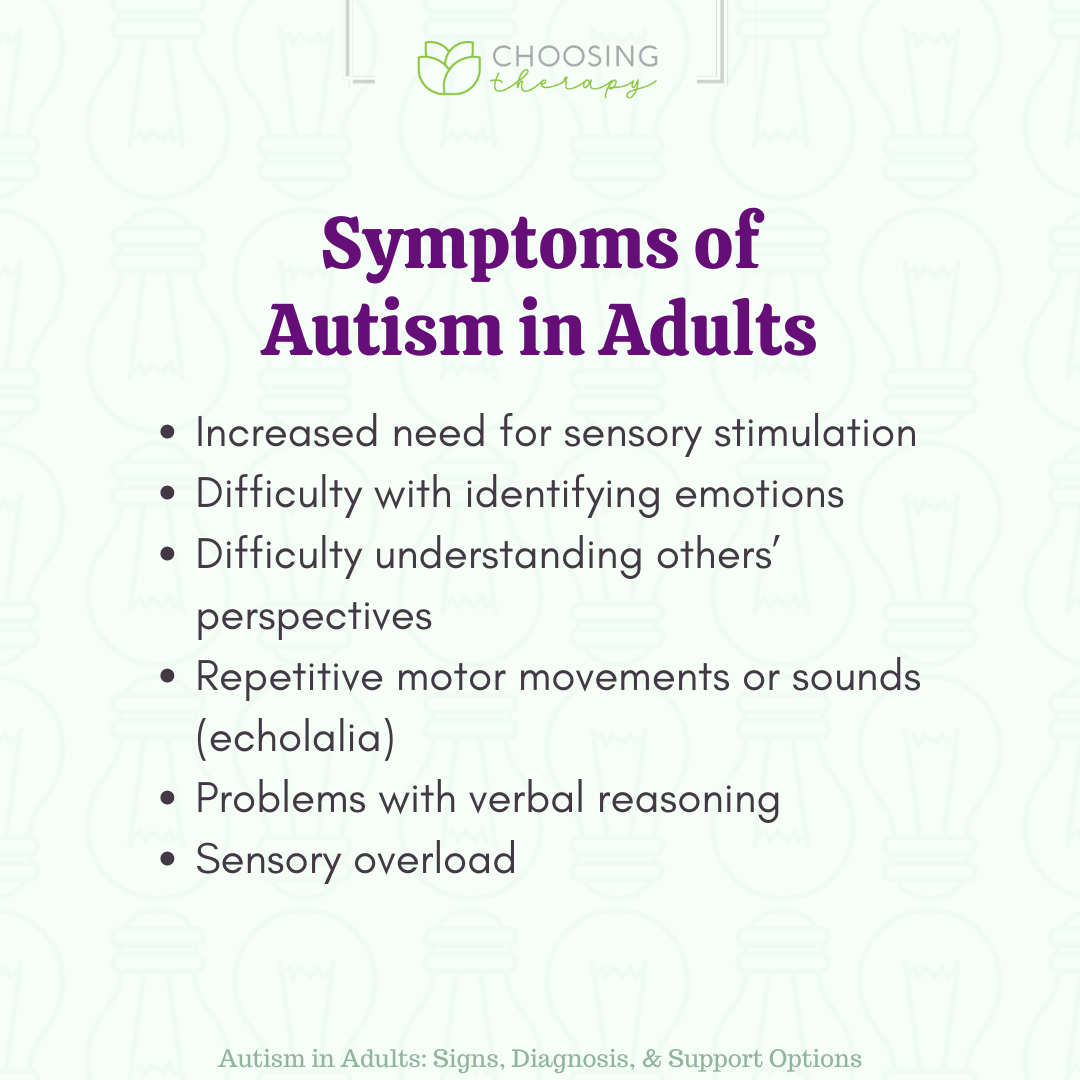
Did you know that girls are diagnosed with autism later than boys, sometimes not until high school? One reason is that many girls learn to mask their challenges—think of it as putting on a superhero cape that hides the real struggle. Teachers may see a quiet, compliant student and miss the underlying autism diagnosis need for support.
Early School Years: The Critical Window
The first few grades are like the seed stage of a plant. If the right nutrients—like technology accommodations—are missing, growth stalls. Early intervention not only boosts academic outcomes but also builds confidence. Think of it as watering a garden before the weeds take over.
Common Technology Tools
Assistive Software
- Speech‑to‑Text Apps: Turn spoken words into written text instantly, so students can focus on the conversation instead of the keyboard. Visual Timers: Help manage transitions by providing a clear, visual cue of time remaining. Reading‑Assist Programs: Highlight text and read it aloud, easing the load on working memory.
These tools are the Swiss Army knives of the digital classroom, handy for a variety of tasks.
Adaptive Devices
- Sensory‑Friendly Headphones: Reduce background noise, allowing students to tune into the lesson. Specialized Keyboards: With larger keys or custom layouts, they reduce typing frustration. Touchscreen Tablets: Offer intuitive interfaces that can be tailored to individual learning styles.
When the right device is paired with the right teacher, learning becomes less of a chore and more of an adventure.
Classroom Implementation Strategies
Teacher Training
Teachers are the linchpin. Without proper training, even the best technology can feel like a broken toy. Schools should:
- Offer workshops on autism‑specific strategies. Provide ongoing coaching and peer‑review sessions. Encourage teachers to experiment with tech tools in low‑stakes settings.
Remember, a well‑trained teacher is like a conductor—she brings harmony to the classroom orchestra.
Peer Support Systems
Peer buddies can be lifesavers. When a student has a supportive classmate, the classroom feels less like a battlefield and more like a playground. Strategies include:
- Pairing students for group projects. Implementing “buddy check‑ins” to monitor progress. Using collaborative platforms that allow shared editing and instant feedback.
A good buddy can turn a daunting assignment into a shared triumph.
Real‑World Success Stories
Case Study 1
Emma, a 9‑year‑old, struggled with reading comprehension. Her teacher introduced a reading‑assist program that highlighted key words and read passages aloud. Within months, Emma’s reading fluency improved, and she began volunteering to read aloud in class. Her parents say, “It’s like watching a shy bird finally take flight.”
Case Study 2
Lena, a 7‑year‑old, found classroom noise overwhelming. A pair of sensory‑friendly headphones and a visual timer helped her stay focused during lessons. She now leads her class in a mindfulness exercise, showing that accommodations can empower rather than isolate.
Practical Tips for Parents and Educators
Setting Up a Home Learning Hub
- Quiet Corner: A small, dedicated space free from distractions. Tech Essentials: Tablet, headphones, and a reliable internet connection. Organized Resources: Digital folders labeled by subject, with clear instructions.
A well‑organized hub can transform homework from a dreaded task into a productive ritual.
Collaborating with Schools
- Regular Check‑Ins: Schedule meetings with teachers to discuss progress. Individualized Education Plans (IEPs): Ensure technology accommodations are formally included. Feedback Loop: Share what works at home and what needs tweaking in school.
Open communication is the bridge that connects home and school, ensuring a seamless learning experience.
Looking Forward: Future Trends
AI and Personalization
Artificial intelligence is evolving from a buzzword to a practical ally. AI‑driven platforms can adapt content in real time, offering personalized pathways that match each student’s pace and style. Imagine a learning platform that feels like a personal tutor, always ready to adjust the difficulty level.
Policy and Funding
Advocacy is key. As more research highlights the benefits of technology accommodations, policymakers are beginning to allocate funds specifically for assistive tech in schools. Parents and educators should stay informed about grants and subsidies that can ease the financial burden.
Final Thoughts: Empowering Every Girl
“Education is the most powerful weapon which you can use to change the world.” – Nelson Mandela
When technology accommodations are thoughtfully integrated, girls with autism can unlock their full potential. They no longer have to navigate the classroom maze alone; instead, they’re equipped with a reliable compass, a supportive team, and a future full of possibilities. So whether you’re a parent, teacher, or advocate, remember: the right tech isn’t just a tool—it’s a key that opens doors to confidence, creativity, and success.
Ready to make a difference? Start by exploring one new tech tool today and watch the transformation unfold.